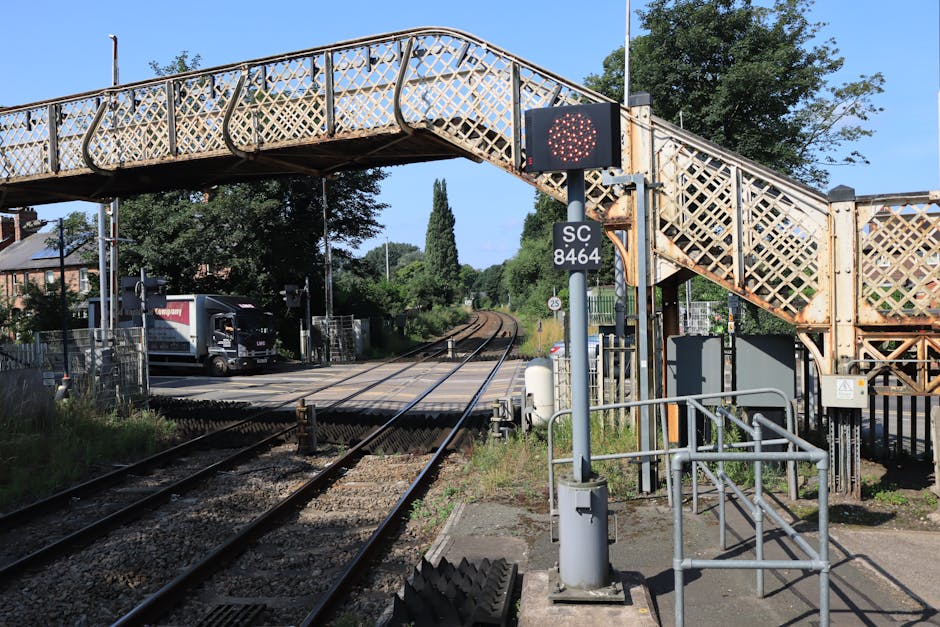
Sydenham removals ideal timing and access near Sydenham Station
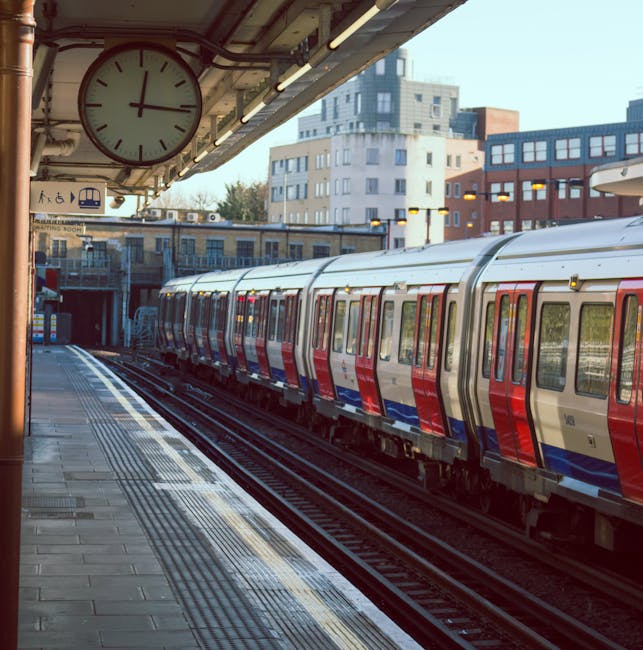
If you are planning a move around Sydenham Station, timing and access can make the difference between a smooth day and a very long one. Sydenham removals ideal timing and access near Sydenham Station is not just about choosing a date; it is about avoiding congestion, lining up parking, handling narrow streets, and making sure the loading process fits the area rather than fights it. Around here, a few small decisions can save you a lot of stress. A good removals plan feels almost boring on the day itself, and that is exactly the point.
This guide walks through what matters most near the station, how access affects the move, the best time windows to consider, and the practical steps that help you stay in control. You will also find a checklist, a realistic example, and clear advice on when a man and van service, removal services, or a larger vehicle may be the better fit.
Why Sydenham removals ideal timing and access near Sydenham Station Matters
Moving near a station area is different from moving on a quiet suburban road. There is more movement in the morning, more foot traffic, more short-stay stopping, and often less patience from everyone involved. Near Sydenham Station, those pressures add up quickly. A van that arrives at the wrong time may find itself blocked by commuters, buses, delivery vehicles, or parked cars that seem to have appeared from nowhere.
The real issue is not just delay. Poor timing can create a chain reaction. If the crew cannot park near the property, carrying distances get longer. If carrying distances get longer, loading takes more time. If loading takes more time, you may run into the next restriction, neighbour complaint, or traffic build-up. It is a bit like trying to fit a sofa through a doorway while someone keeps opening the door the wrong way. Not impossible, just annoying.
Access matters just as much as timing. Some streets around station areas are tight, have awkward bends, or leave limited space for larger vehicles to manoeuvre. Flats above shops, maisonettes, and terraced houses can add staircases, shared entrances, or limited frontage. That is why local experience counts. A mover who understands how to plan around the station environment can often make the day feel calmer before it even begins.
Expert summary: Near Sydenham Station, the best moving day is usually the one with the clearest parking plan, the shortest carrying distance, and the least commuter pressure. The clock matters, but access matters just as much.
How Sydenham removals ideal timing and access near Sydenham Station Works
The practical approach is simple: decide your move window, check the access points, then match the vehicle and team size to the property. That sounds straightforward, but there are a few moving parts in real life.
1. Choose the right time window
In station areas, early to mid-morning is often the least awkward choice, especially if you want to avoid the busiest commuter periods. That said, the ideal slot depends on the day, the property type, and the route in and out. If you are moving from a flat with limited access, a slightly earlier arrival can make sense because it gives the team more room to work before streets fill up.
Weekdays can be efficient for some moves, particularly if building rules or parking controls are easier to manage. But if your move involves school runs, office commutes, or regular deliveries, a weekend may actually be easier. There is no one-size-fits-all answer. To be fair, the best timing is usually the one that reduces friction rather than chasing some perfect hour that does not exist.
2. Map the access before moving day
Look at the approach to the property. Can a removal van stop close enough to avoid long carries? Is there room to load without blocking a junction? Are there steps, a narrow gate, a shared entrance, or a low ceiling in the hallway? These details are tiny until they are not.
For larger household moves, services such as house removals or home moves may need a vehicle plan that considers both street access and the amount of furniture being moved. If your move is smaller, a man with a van or man with van option can be a better fit, especially when the load is compact and the access is a bit fiddly.
3. Match the vehicle to the road, not just the load
People often think only about volume. Yes, volume matters. But access is what decides whether the vehicle can actually work on the day. A huge truck is not always better if the street is tight. In some cases, a smaller removal van or a flexible man and van arrangement is the smarter choice because it can get closer and turn more easily.
If you have heavier items, awkward furniture, or a mix of boxes and bulky pieces, you may want to consider removals with a more structured team. For specialist items, piano removals or furniture removals can reduce the risk of damage and make lifting more controlled.
4. Keep the building and neighbours in mind
Station-side moves usually happen in active residential pockets. That means shared hallways, communal doors, and people coming and going. Informing building management or neighbours in advance is often worth the small effort. It can help with lift access, loading bays, or simply stopping someone from parking across the ideal spot right when the van arrives. Little things. Big difference.
Key Benefits and Practical Advantages
Getting the timing and access right near Sydenham Station brings some very real advantages.
- Less waiting time: the crew can start unloading or loading sooner, which keeps the whole day moving.
- Lower stress: when the parking and access plan is sorted, you are not improvising under pressure.
- Reduced carrying distance: fewer trips mean less fatigue and less chance of knocking walls, frames, or furniture corners.
- Better protection for items: smoother access means items spend less time being carried around corners, downstairs, or across pavements.
- Fewer neighbour issues: a well-timed move is less likely to block entrances or create avoidable disruption.
- More predictable costs: fewer delays can mean fewer unexpected problems that stretch the job out.
There is also a planning benefit that people underestimate. Once you know how access works at the property, every other decision becomes easier. You know whether you need packing help, whether a larger vehicle is necessary, or whether a same-day job is realistic. In that sense, timing and access do more than solve the move. They shape the whole strategy.
If you are comparing providers, it is also worth looking at how transparent they are about planning and estimates. A clear pricing and quotes page is often a good sign that the company takes planning seriously rather than guessing on the day.
Who This Is For and When It Makes Sense
This topic matters for a wide range of movers, not only people carrying a few boxes from one flat to another. If you are near Sydenham Station, you may be dealing with one of these situations:
- moving from a top-floor flat with stairs and limited landing space
- relocating from a terraced house with narrow frontage
- moving student belongings in a tight time window
- shifting office furniture near a busy transport route
- collecting or delivering bulky items that need careful positioning
- arranging a short-notice move because a tenancy or work plan changed
It makes sense whenever access is likely to be the limiting factor. If the main challenge is not distance but how to get a vehicle close to the door, then you need to think like a logistics planner, not just a mover. That sounds grander than it is. Really, it means asking: where will the van stop, how long will unloading take, and what happens if the first spot is not available?
Students often benefit from a lighter moving setup such as student removals. Offices, on the other hand, usually need more structure, and office removals or office relocation services are better suited to desks, IT kit, and time-sensitive access.
Step-by-Step Guidance
- Assess the property access. Note stairs, lifts, narrow doors, alleyways, and whether the front of the building can take a van without causing a blockage.
- Identify the best moving window. Try to avoid the busiest parts of the day near the station, but also consider building rules and your own schedule.
- List the furniture and boxes. This helps you decide whether a simple van move is enough or whether you need a larger removal setup.
- Check parking and stopping options. Even if parking is not reserved, knowing the nearest sensible stopping point reduces last-minute panic.
- Choose the right service level. A smaller move may suit man and van, while a bigger household move may be better handled through removal services or house removalists.
- Prepare items before arrival. Disassemble what you can, label boxes clearly, and keep a path free from clutter.
- Load in priority order. Put essentials and fragile items where they can be reached quickly at the other end.
- Leave a small buffer. Access around stations can be unpredictable. A little spare time helps, honestly.
One practical note: if your move involves storage or a split move, it is sensible to plan the timing in stages. You might move non-essentials first and the final household items later, especially if the new property is not ready on the exact same day. In those cases, storage can take the pressure off and stop the whole schedule from becoming messy.
Expert Tips for Better Results
Here is where experience really pays off.
Book with access in mind, not just availability. A slot that looks convenient on paper may be awkward in practice if it clashes with commuter movement or school traffic. Around Sydenham Station, the calmer time is usually the smarter one.
Measure the awkward items. Sofas, wardrobes, mattresses, and appliances can be the things that decide whether the move is smooth or a bit of a faff. Measure door widths and stair turns if you are unsure. Nobody enjoys discovering a problem while standing on the landing with a wardrobe half-turned sideways.
Tell the mover about the access early. Mention low steps, parking concerns, shared entrances, or limited lift availability when you enquire. That allows the right vehicle and crew size to be planned properly. If you need a truck rather than a van, ask about moving truck options or removal truck hire.
Use packing to protect time. Good packing saves time as well as protecting items. Packing and boxes can sound basic, but neat, labelled packing can shave off a surprising amount of stress.
Think about the return journey too. If the van has to leave and come back because of access or unloading limits, the plan should allow for that. A move is not only about departure; it is about the handover at both ends.
A tiny but useful habit: stand at the front door and imagine the route a sofa will take. If the route looks awkward in your head, it will probably be awkward in real life. Simple, but true.
Common Mistakes to Avoid
Most moving headaches near station areas come from avoidable assumptions.
- Assuming the first parking space will be available. It often is not.
- Choosing a time that suits you but not the street. A quiet-looking slot can still be bad if the road fills up fast.
- Underestimating stair time. A first-floor flat can be more demanding than a ground-floor house if access is awkward.
- Forgetting to mention large or delicate items. Pianos, mirrors, and oversized furniture need advance warning.
- Booking a vehicle that is too large for the street. Bigger is not always better.
- Leaving packing until the last minute. That is how moving day starts to feel noisy and chaotic before the van even arrives.
Another mistake is not checking whether your move is actually a standard removal job or something more specialised. A small delivery of a single heavy item may suit furniture pick up, while a fuller household relocation may need a more complete approach. Matching the service to the job saves time and avoids paying for more than you need.
Tools, Resources and Recommendations
You do not need fancy kit to plan a good move, but a few simple things help enormously.
- Floor plan or room sketch: useful for deciding where each item goes and whether furniture will fit through the entrance.
- Measuring tape: essential for doors, stair turns, large sofas, mattresses, and wardrobes.
- Labels and marker pens: saves time when boxes are stacked in the van and later unpacked.
- Blanket wraps and protective covers: helpful for wood, glass, and polished surfaces.
- Phone notes: keep building access details, contact numbers, and arrival instructions in one place.
For many people, the most useful recommendation is simply to ask the mover the right questions. Does the team handle packing and unpacking services? Is the move better suited to flat removals or a standard home move? Would removal van access be easier than a larger vehicle? These questions sound basic, but they help a lot.
And yes, a kettle of tea waiting at the other end still counts as a very useful tool. Not official, obviously, but useful all the same.
Law, Compliance, Standards, or Best Practice
For removals in London, the main compliance issue is usually not some dramatic legal trap. It is about operating safely and responsibly in public streets, shared buildings, and private homes. Good practice includes sensible lifting methods, appropriate vehicle choice, clear communication, and care for property and people.
If your move involves a busy roadside, loading must be done without creating unnecessary obstruction or risk. If you are in a managed building, you may need to follow building rules on lift use, timed access, or protective coverings. In shared spaces, it is also wise to protect walls, floors, and doors during the move, particularly in flats where wear and tear can be noticed quickly.
From a customer perspective, it is reasonable to expect the mover to be clear about what is included, how items are handled, and how any damage concerns would be managed. That is where pages like health and safety policy, insurance and safety, and terms and conditions matter. They help set expectations before the truck is even loaded.
For anyone moving items responsibly, sustainability matters too. Reuse, reuse again, then recycle what genuinely cannot be used. If you are clearing furniture, recycling and sustainability is worth considering so good materials do not end up being wasted without reason.
Options, Methods, or Comparison Table
Different moves near Sydenham Station call for different approaches. The table below gives a simple comparison.
| Option | Best for | Access fit | Typical strength | Watch-outs |
|---|---|---|---|---|
| Man and van | Smaller moves, student jobs, short local moves | Strong for tight streets and flexible stopping | Quick, adaptable, usually easier to park | May not suit larger loads or multiple heavy items |
| Removal van | Medium-sized house or flat moves | Good where a larger van still fits the street | More space than a small van | Needs a bit more room to stop safely |
| Removal truck | Big household moves or more complex loads | Best if access is straightforward | High capacity, fewer trips | Can be awkward on tighter roads near station traffic |
| Full removals team | Busy, heavy, or fragile moves | Useful where carrying and handling need support | Efficient and more controlled | Usually needs clearer planning and more lead time |
In real terms, the right choice depends on the street more than the slogan. A flexible approach often beats a big one. That is especially true when you are working near a station and every minute of access matters.
Case Study or Real-World Example
Here is a realistic example. A couple moving from a third-floor flat near Sydenham Station had a sofa, a dining table, several boxes of books, and a bike. At first, they assumed a late morning slot would be fine because it suited their work schedule. Once they looked more closely, though, they realised that the nearby road became noticeably busier by mid-morning with commuter parking and deliveries.
They adjusted the plan to an earlier window, cleared the hallway the night before, and used a smaller vehicle that could stop closer to the property. The move still required a few careful carries, of course, but the day stayed manageable. No frantic parking search. No extra waiting. No awkward chain of people standing in the stairwell trying to guess where the next box should go.
The useful lesson? The best move was not the cheapest headline option or the biggest van. It was the one that matched the access reality of the street. Once that was sorted, everything else settled down. That is what good removals planning does.
Practical Checklist
Use this checklist before move day.
- Confirm your moving date and preferred arrival window
- Check street access near the property and at the destination
- Measure large furniture and difficult doorways
- Decide whether you need a van, truck, or full removals team
- Tell the mover about stairs, lifts, gates, or shared entrances
- Pack and label boxes clearly
- Protect fragile items and surfaces
- Keep essentials separate for first-night access
- Plan parking, stopping, or loading space where possible
- Review the provider's safety, payment, and policy pages before booking
If you want to compare services before deciding, it can help to look through removal companies, removal truck hire, and related service pages to see which setup feels right for your move.
Conclusion
Sydenham removals ideal timing and access near Sydenham Station comes down to careful planning, realistic timing, and a proper understanding of local street conditions. If you get those three things right, the move becomes much easier to manage. The access feels manageable. The van arrives where it should. The furniture moves without drama. That is the goal, after all.
Whether you are moving a one-bed flat, a family home, or a set of office items, the best approach is to think about the road first and the boxes second. Around a busy station area, small details decide how calm the day feels. And when the day runs smoothly, it is a relief you can feel in your shoulders straight away.
For a helpful next step, choose a service that understands the local access challenge and can guide you towards the right vehicle, timing, and packing support. A measured plan now saves a lot of rushing later, which is usually the part nobody misses.
Get a free quote today and see how much you can save.
Frequently Asked Questions
What is the best time of day for removals near Sydenham Station?
Early to mid-morning is often the most practical choice because it can help you avoid the busiest commuter flow. The best slot still depends on your building access, parking, and the size of the move.
Why does access matter so much for station-area removals?
Access affects how close the vehicle can get, how far items need to be carried, and how long the whole move takes. Near a station, even a short delay can create knock-on problems with parking and traffic.
Should I choose a van or a truck for a move near Sydenham Station?
Choose the vehicle that matches both the load and the street. A smaller van may be better for tight access, while a truck can work well if the road is clear and the move is large.
Are flat moves different from house moves in this area?
Yes. Flat moves often involve stairs, lifts, shared entrances, and tighter turning space. House moves can be easier in terms of access, but they may involve more furniture and boxes overall.
Can I arrange a same-day move near the station?
Sometimes, yes. A same day removals option can work if the load is manageable and access is straightforward, but short-notice moves need a bit of flexibility.
What should I tell the mover before move day?
Tell them about stairs, lifts, parking limits, awkward furniture, restricted entrances, and any timing concerns around the station area. The more precise you are, the better the plan.
Is packing help worth it for a local move?
Often, yes. If you are short on time or have fragile items, packing and unpacking services can reduce pressure and improve the efficiency of the move.
What if I need to store items between properties?
If your dates do not line up neatly, storage can be a sensible bridge. It is especially useful when one property is ready before the other or when you want to move in stages.
How do I know if I need house removalists rather than a man and van?
If you have a larger household, heavier furniture, multiple rooms, or items that need more careful handling, house removalists or a more complete removals setup is usually the safer choice.
What are the biggest mistakes people make near Sydenham Station?
The main mistakes are choosing the wrong time, assuming parking will be easy, underestimating stairs, and failing to mention access problems in advance. Small oversights can create bigger delays than you would expect.
Do I need to worry about safety and insurance?
Yes, it is sensible to check both. A professional mover should be clear about how items are handled, what precautions are taken, and how safety is managed during the job.
What is the most practical first step if I am still unsure?
Start with the access. Walk the route from street to front door, note any obstacles, and decide what size vehicle makes sense. Then compare service options and request a quote that reflects the real conditions, not a guess.