Waste disposal rules for Sydenham sofa and house removals
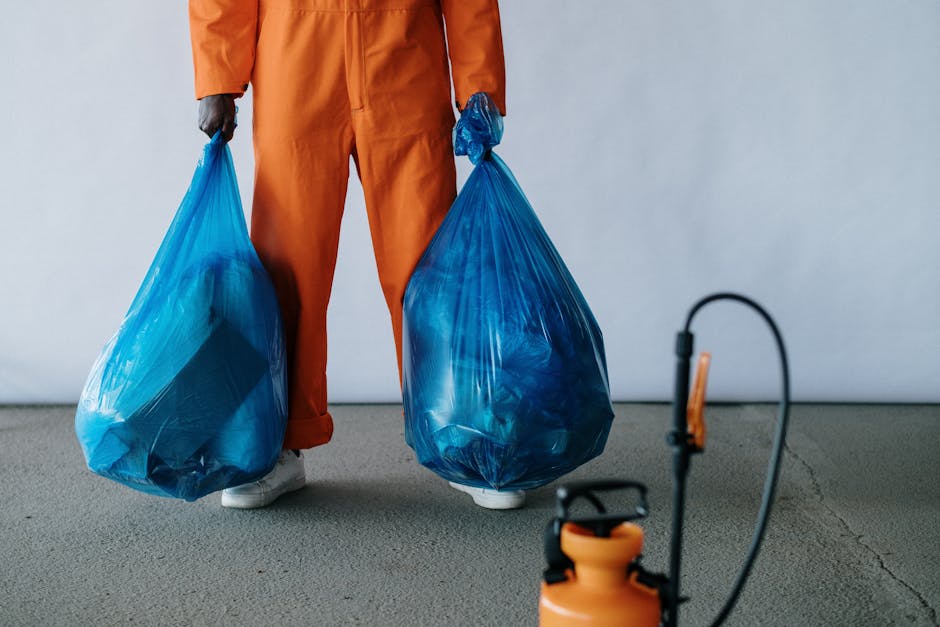
If you are planning a move in Sydenham and you have a sofa that will not make the journey, you are not alone. The same goes for old wardrobes, broken bed frames, bags of mixed junk in the loft, or the odd pile of boxes that turns out to be a bit more than "just packing rubbish". The waste disposal rules for Sydenham sofa and house removals can feel a little confusing at first, especially when you are already juggling keys, deadlines, and the usual moving-day chaos. This guide breaks it down in plain English so you can stay compliant, avoid unnecessary charges, and make cleaner decisions about what to keep, donate, recycle, or remove.
We will look at how the process works in practice, what kind of waste needs extra care, and how to handle furniture and household clearance in a way that feels organised rather than overwhelming. To be fair, once you know the basics, the whole thing becomes much easier.
Why Waste disposal rules for Sydenham sofa and house removals Matters
Waste disposal is not just a back-of-house detail to sort out at the last minute. It affects how smoothly your move goes, how safe the property remains, and whether your unwanted items are dealt with responsibly. A sofa left on a pavement, for example, is more than an eyesore. It can become a blocking hazard, a fly-tipping risk, or a problem for neighbours and landlords. That is especially true in busy residential streets where access is already tight and a moving van may have to work around parked cars and narrow timing windows.
In Sydenham, as in much of London, moving day often means shared entrances, limited loading space, and a lot of foot traffic. That means the margin for error is slim. If waste is not separated properly, it can delay collection or create extra handling work. And once a property handover is involved, a missed item can become a deduction, a complaint, or a frustrating return trip. Nobody wants that on a wet Tuesday afternoon.
There is also the environmental side. A worn-out sofa is not automatically rubbish. Depending on its condition, it may be suitable for reuse, parts recovery, or recycling through a proper furniture disposal route. The same applies to many household items collected during removals. Good waste handling keeps useful materials in circulation for longer and reduces the amount that ends up in general disposal streams.
Expert summary: The smartest way to handle waste during a Sydenham move is to separate items early, understand which things can be reused or recycled, and avoid leaving disposal decisions until the final hour.
How Waste disposal rules for Sydenham sofa and house removals Works
The practical side of waste disposal during removals usually falls into three stages: sorting, deciding the route, and moving the items safely. That sounds simple, and most of the time it is, but each step matters.
1. Sort items before removal day
Start with a clear split between what is going, what is staying, and what needs special handling. Sofas, chairs, mattresses, wardrobes, dismantled shelves, kitchen clutter, old boxes, electricals, and bagged general waste should not all be treated the same. If you mix them together, you make the job slower and less efficient. You also increase the chance of sending recyclable or reusable items down the wrong route.
2. Check the condition of the sofa or household item
A sofa with a broken frame, torn fabric, or heavy staining may still be eligible for responsible disposal, but it is less likely to be reused. A sofa that is clean, solid, and structurally sound might be a candidate for furniture reuse or furniture pick up rather than disposal as waste. The condition matters because it often determines whether the item can be passed on, recycled, or simply removed as bulky waste.
3. Match the item to the right disposal route
Some items are easy. Cardboard and clean packaging can often be bundled separately. Some items need more care. Large upholstered furniture and mixed household waste can require a different approach from standard bin collection. A knowledgeable removal team will usually help you identify the best route rather than guessing and hoping for the best. That small bit of judgment saves time later.
4. Load safely and legally
Even if something is destined for disposal, it still needs to be lifted, loaded, and transported with care. Sofas are awkward shapes. They catch on door frames, scrape walls, and seem to gain weight halfway down a staircase. Proper handling matters for the people doing the move, for the property, and for the item itself if it can be reused.
If you are planning a full home move, services such as home moves and house removals can help you coordinate the item flow so disposal is not a separate headache bolted onto moving day. That is often where the real difference shows up.
Key Benefits and Practical Advantages
Doing waste disposal properly during a removal may not sound exciting. Fine. It is not the glamorous part of moving. But it does pay off in very real ways.
- Cleaner move-out: The property is left in better condition, which helps with handover, inspections, and landlord expectations.
- Less stress on the day: You know what is leaving and where it is going, so there is less last-minute panic.
- Lower risk of damage: Less clutter means safer lifting paths and fewer bumps, scrapes, or trips.
- Better chance of reuse: Suitable items can often be redirected away from disposal and given a second life.
- More efficient van space: Separating waste and furniture means the load can be planned properly. Simple, but helpful.
- Reduced compliance risk: Responsible handling helps you avoid problems linked to improper disposal or fly-tipping.
There is also a psychological benefit, if we are honest. Once the rubbish is gone and the sofa is out, the room suddenly feels like a room again. You can almost hear the echo. That little moment matters, especially when a move has been taking over your life for weeks.
Who This Is For and When It Makes Sense
This guidance is relevant for anyone moving house, clearing a property, or disposing of furniture in Sydenham. It is especially useful if you are dealing with more than a few bagged items and you want a sensible, low-fuss approach.
Homeowners and tenants
If you are moving out of a flat or house, waste clearance becomes part of the exit process. Tenants may need to leave the property clear and tidy. Homeowners may want to avoid leaving behind items that make the place harder to sell or prepare for new occupants.
Families downsizing
When people downsize, there is often a pile of furniture that no longer fits the next property. The sofa in the old living room might be perfectly fine, but too large for the new one. This is a very common scenario in local moves, and it benefits from early decisions.
People with renovation or decluttering projects
Sometimes waste disposal is not directly linked to a move, but the two overlap. If you are replacing flooring, clearing a spare room, or emptying a loft before movers arrive, you will need a clear waste route. Services such as furniture removals and furniture pick up can fit neatly into that plan.
Busy people who need a practical solution
Not everyone has time to sort council guidance, separate loads, and book multiple trips. If that sounds familiar, a removal service with waste-handling experience can take a lot of pressure off. Truth be told, that is often the difference between a smooth move and a messy one.
Step-by-Step Guidance
Here is a straightforward process you can follow before and during your Sydenham sofa and house removals.
- Walk through every room. Do a proper sweep of bedrooms, cupboards, lofts, under-bed storage, and the garden if applicable. The odd forgotten item tends to hide in plain sight.
- Split items into categories. Keep furniture, reusable goods, recycling, general rubbish, and special items separate.
- Measure bulky items. Check whether the sofa will fit through doors, down stairs, or around corners. Sometimes it will. Sometimes it absolutely will not.
- Decide what can be reused. If an item is clean and usable, consider donation or reuse options before disposal.
- Book the right removal support. If you need help moving bulky waste, choose a team that can manage both transport and responsible disposal.
- Pack waste securely. Use strong bags or boxes for loose material so nothing spills during transit.
- Keep hazardous or restricted items separate. Paint, chemicals, batteries, and certain electronics may need different handling from standard house waste.
- Label anything unusual. This sounds small, but it saves confusion. A box marked "recycling" is easier to manage than a mystery box with half a broken lamp inside.
- Confirm final clearance. Before handover, do one last check of cupboards, sheds, and storage spaces.
If the move is large or time-sensitive, services such as removals or man and van can be especially useful for coordinating mixed loads without turning the day into a relay race.
Expert Tips for Better Results
There are a few small habits that make a surprisingly big difference.
- Sort early, not on the morning of the move. Once the van is outside and people are waiting, it is too late to debate the life story of an old sofa.
- Keep reusable items clean and together. A wiped-down table or intact chair set is easier to assess for reuse.
- Break down furniture where safe. Flat-pack items and dismantled frames are easier to move and may take up less room in the vehicle.
- Protect walls and floors. Use blankets, sliders, or careful padding when moving bulky furniture through tight spaces.
- Ask about recycling routes. Responsible movers should be able to explain how they handle suitable waste, not just say "we take it away" and leave it at that.
- Keep documents and valuables separate. Waste and paperwork should never get mixed. It happens, annoyingly often.
If your move involves storage between properties, a temporary solution from storage can help you avoid rushing decisions about furniture disposal. Sometimes that little pause is exactly what you need.
Common Mistakes to Avoid
Most disposal problems come from rushing, not bad intentions.
- Leaving waste until the end. This creates pressure and usually leads to poor decisions.
- Mixing everything together. Recyclables, rubbish, and furniture should not be dumped into one vague pile.
- Assuming every old sofa is waste. Some items are reusable or repairable, and it is worth checking first.
- Ignoring access issues. A sofa may be fine in theory, but useless if it cannot get through the hallway without damage.
- Forgetting special items. Batteries, fluids, and electronics can need separate handling.
- Using an unprepared carrier. If someone cannot explain their disposal process clearly, that is a red flag. Small red flag, but still a red flag.
One common mistake we see in practice is people underestimating how many "small" items become a big disposal load. Four bags here, three broken bits there, and suddenly you have a van full of clutter. Funny how that happens.
Tools, Resources and Recommendations
You do not need fancy equipment, but a few practical tools help a lot:
- Heavy-duty bags: Useful for mixed household rubbish and soft waste.
- Furniture straps and gloves: Helpful for safe lifting and carrying.
- Blankets or protective covers: Good for preventing scratches on the way out.
- Marker pens and labels: Simple, cheap, and brilliant for sorting items quickly.
- Box cutters and screwdrivers: Handy for dismantling furniture where appropriate.
For families or movers wanting broader support, services such as packing and boxes and packing and unpacking services can reduce the amount of loose waste created during the move. Less loose waste usually means less stress. Not a bad trade.
If you want a more structured moving plan, it can also help to compare the type of vehicle and crew support you need. A compact move may suit a removal van, while a larger property clearance might need a moving truck or dedicated removal truck hire.
Law, Compliance, Standards, or Best Practice
Waste disposal in the UK is governed by general legal duties around responsible handling, lawful transfer, and preventing fly-tipping. You do not need to become a legal specialist to move house properly, but you do need to be careful about who handles your waste and where it ends up.
Best practice is simple: use a reputable removal provider, keep records where appropriate, and make sure waste is handed over responsibly. If an item is being disposed of, there should be a clear chain of handling. That becomes especially important for mixed household waste, bulky furniture, and anything that may contain electrical or hazardous components.
For household movers, the safest approach is to treat waste as something to be planned, not improvised. In practical terms, that means:
- separating reusable items from genuine waste,
- avoiding unlicensed disposal routes,
- being honest about what you need removed,
- and checking that the removal arrangement matches the job.
It is also wise to review the moving company's policies on safety and care. A business that publishes clear guidance on health and safety, insurance and safety, and recycling and sustainability is usually signalling that it takes the process seriously, which is exactly what you want when bulky furniture is being lifted through a shared stairwell.
Options, Methods, or Comparison Table
There is no single right answer for every move. The best option depends on the item, the timescale, and how much help you want.
| Method | Best for | Pros | Watch out for |
|---|---|---|---|
| Reuse or donation | Clean, usable sofas and household items | Environmentally sensible, often low-cost | Item condition must be suitable |
| Specialist furniture removal | Bulky items that need careful handling | Safer for stairs, doorways, and tight access | Needs clear booking and item details |
| General household clearance | Mixed rubbish and unwanted goods | Convenient for larger clear-outs | Sorting is still important |
| Storage first, decide later | Items you are unsure about | Buys time and reduces rushed disposal | Extra storage cost and an extra move |
For some households, the right answer is to combine methods. Keep a sofa in storage for a month, clear the obvious waste now, then decide later whether the sofa is worth keeping. That sort of phased approach can be surprisingly calm.
Case Study or Real-World Example
Imagine a couple moving from a top-floor flat in Sydenham into a smaller house nearby. They have a three-seater sofa with a solid frame, two old office chairs, a dismantled wardrobe, half a dozen bags of mixed loft clutter, and a stack of cardboard from recent purchases. Not unusual at all.
At first, they think everything can go together. Then they look at the staircase, the parking situation, and the fact that the sofa will not fit through the narrow turn at the landing. That is the moment the plan needs to change. The wardrobe gets dismantled further, the cardboard is separated, and the sofa is assessed for reuse or removal. A removal team helps shift the bulky pieces first, then the waste is loaded in a more controlled way. Much better than dragging everything outside and hoping it all sorts itself out. It rarely does.
The useful part of this example is not dramatic. It is the ordinary lesson: once you separate the items and think about access, the move becomes calmer and less wasteful. That is the real win.
Practical Checklist
- Walk through every room and note all unwanted items.
- Separate reusable furniture from genuine waste.
- Check sofa condition and measure access points.
- Keep recycling, rubbish, and special items apart.
- Label boxes and bags clearly.
- Dismantle furniture only where safe and sensible.
- Protect floors, walls, and door frames during removal.
- Confirm whether you need help with house removalists or a lighter man with van option.
- Review safety and insurance details before booking.
- Do a final empty-room check before handover.
If you are managing a more complex move, the support of removal services can keep waste and furniture moving in the right order, which sounds small but makes a huge difference in the real world.
Conclusion
Waste disposal rules for Sydenham sofa and house removals are really about three things: being organised, being responsible, and being realistic about what needs to happen before moving day. Once you separate reusable furniture from true waste, plan access carefully, and choose the right removal support, the whole process becomes easier to manage. You do not need a complicated system. You just need a clear one.
Handled well, disposal is not the stressful bit of moving. It becomes the bit that clears the path for everything else. And honestly, that is a relief. One less thing to think about, one more room ready to move on.
Get a free quote today and see how much you can save.
Frequently Asked Questions
Can I leave an old sofa on the pavement during my move?
Not without checking the proper disposal route first. Leaving furniture outside can create a fly-tipping issue or a public obstruction. It is better to arrange collection or removal through a responsible waste route.
What should I do with a sofa that is still in good condition?
If it is clean and structurally sound, consider reuse or furniture pickup before treating it as waste. A sofa that is still usable often has a better second life than a trip to disposal.
Do house removals include waste disposal?
Sometimes they do, but not always in the same way. It depends on the service and what has been agreed in advance. Always confirm whether the removal team will handle general waste, bulky furniture, or only move items between addresses.
How do I know if an item is recyclable or reusable?
Look at condition, material, and cleanliness. Cardboard, some metals, and certain furniture components may be recyclable, while usable furniture can sometimes be reused. If you are unsure, ask the removals team to assess it.
What are the most common waste items found during a house move?
Boxes, old clothes, broken small furniture, packaging, paperwork, and bits from cupboards or lofts are common. The hidden clutter is usually what surprises people most.
Is it better to hire a man and van or a full removal service for waste removal?
It depends on volume and complexity. A smaller load may suit a man with a van or man and van service, while a larger property clearance often benefits from fuller removal support.
Can I mix furniture and rubbish in the same load?
Yes, but only if the load is planned properly. Mixing everything blindly makes reuse and recycling harder. Separate items as much as possible before loading so the right route can be followed.
What if I need to move out quickly and do not have time to sort everything?
Then prioritise essentials first: valuables, documents, reusable furniture, and any hazardous items. A same-day or short-notice service may help with the physical move, while storage can buy time for disposal decisions.
Are there special rules for bulky items like wardrobes and mattresses?
Yes, in practice there are. Bulky items need more care with lifting, access, and disposal routing. They often cannot simply be treated like general bagged waste.
How can I reduce waste before moving day?
Declutter room by room, donate or sell usable items early, and recycle packaging as it appears. The earlier you start, the less waste gets pushed into the final scramble.
What should I ask a removals company before booking?
Ask what they can remove, how they handle waste, whether they separate recyclable items, and what safety measures they use. A clear answer usually tells you a lot about how organised they are.
What is the best last-minute tip for a smoother move?
Do one final sweep of cupboards, the loft, under beds, and behind doors. The last forgotten item is often the one that causes the most annoyance. It always seems to be hiding in the least convenient place.